
Screen-Free Weekend Activities That Kids Actually Want to Do

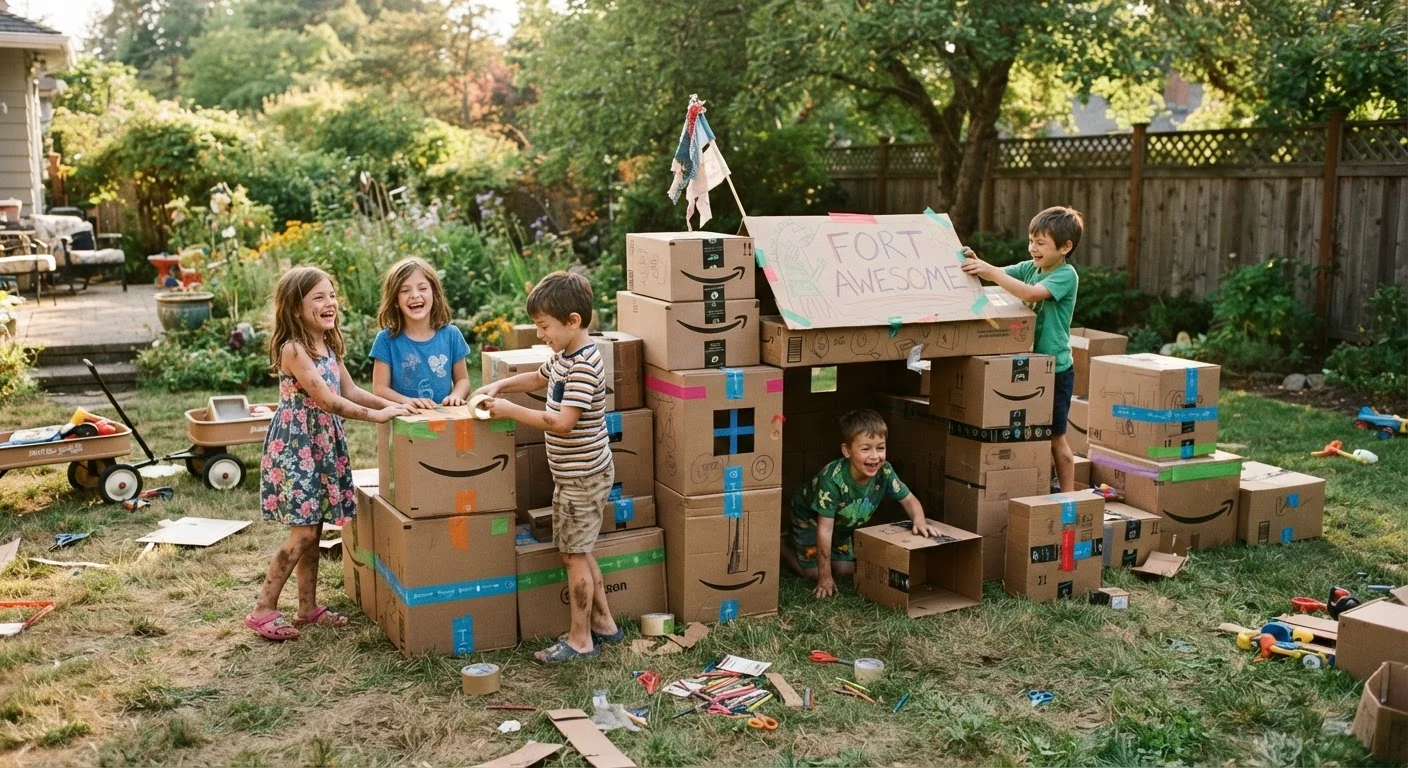
Photo: efficientlifeguide.net editorial
Key Takeaways
- Most screen-free activities cost little or nothing and require only basic household supplies.
- Kids engage more readily when they have some say in choosing the activity.
- Libraries, parks, and community calendars are underused sources of free weekend programming.
- Simple outdoor activities often hold attention longer than structured indoor alternatives.
- Planning ahead prevents the budget creep that can sneak into even casual family outings.
Why screen-free weekends work better than you expect
Convincing kids to put down devices sounds harder than it usually turns out to be. The real obstacle is often a vacuum, not resistance. When something genuinely interesting fills the space, most kids move on from screens without complaint. The activities below are low-cost, flexible for different ages, and tested across a range of family situations. Before heading out, it is worth a quick read of the hidden costs of free days out so parking and snacks do not quietly inflate your budget.
Nature scavenger hunt
Write a list of 15 to 20 items found in your neighborhood or a nearby park: a smooth stone, a feather, something yellow, a seed pod. Hand each child their own copy and let them work at their own pace. Younger kids pair up with a parent; older kids can race independently. There is no entry fee, the setup takes about five minutes, and the activity stretches as long as the list does. Adjust difficulty by swapping obvious items for trickier ones, like a piece of bark with lichen or an insect with more than six legs.
A 15-item list, a nearby park, and five minutes of prep is all this takes.
Backyard or living room fort building
Cardboard boxes, bed sheets, sofa cushions, and binder clips are the only materials needed. Give kids a loose challenge, like building something big enough to read inside, and let them figure out the construction. The problem-solving keeps them occupied for far longer than the finished product suggests. Once the fort is up, a backyard campout takes almost no extra effort and turns the afternoon into an overnight event if the weather cooperates.
The building process holds attention longer than the finished fort itself.
Family game night (adjusted for real ages)
A game night that mixes age groups works best when you pick games with variable difficulty or games where luck plays a genuine role alongside skill. Card games, cooperative board games, and strategy games with simple rules tend to land well across a wide age spread. The goal is that no one feels like a spectator. For specific ideas on structuring play so teenagers and toddlers can both stay engaged, this guide to game night for all ages covers the logistics clearly.
Games where luck and skill share space keep mixed-age groups equally invested.
Cooking or baking a meal together
Assign each child a task scaled to their ability: measuring dry ingredients, stirring, rolling dough, or reading the recipe aloud. Picking a dish that requires multiple steps across 45 to 60 minutes gives everyone something to do at each stage. Pizza, homemade pasta, or a big batch of soup all work well. The activity doubles as a practical skill-building session, and the result is lunch or dinner, so no separate meal planning is needed. Keep the mood light and accept imperfect results.
Cooking a meal together covers an hour of activity and produces lunch.
Bike ride or neighborhood walk with a mission
A plain walk is easy to resist. A walk with a purpose holds attention. Challenge kids to photograph every dog they pass, count mailboxes of a specific color, or map an unfamiliar block. A simple mission reframes movement as exploration. Most urban and suburban neighborhoods have more to notice than families realize, especially when kids are looking for something specific rather than just following along. This costs nothing and can fill an hour or two depending on the range of the route.
A walk with a specific mission holds attention in a way a plain stroll rarely does.
Community events and local programming
Free concerts, craft fairs, sports clinics, and library story hours run in most communities throughout the year. The challenge is knowing where to look before the weekend arrives. Checking local parks and recreation websites, library event pages, and neighborhood apps midweek gives you a short list of real options before Saturday morning. Seasonal activities vary widely in what they actually cost, so comparing options before you commit helps keep the day genuinely low-cost.
Finding free local events is a midweek habit, not a last-minute scramble.
Making it a habit
One successful screen-free weekend builds momentum for the next. Rotate who picks the activity each week so every family member has a turn. Keeping a short list on the fridge reduces the "what do we do?" stall that sends everyone back to their devices. Your local library is also worth a look year-round: most branches offer far more than books, from museum passes to drop-in craft sessions. For ongoing free options close to home, a community events calendar is the fastest way to stay organized.
Give kids a real vote
The content provided on our blog site traverses numerous categories, offering readers valuable and practical information. Readers can use the editorial team’s research and data to gain more insights into their topics of interest. However, they are requested not to treat the articles as conclusive. The website team cannot be held responsible for differences in data or inaccuracies found across other platforms. Please also note that the site might also miss out on various schemes and offers available that the readers may find more beneficial than the ones we cover.