
Community Events Calendar: How to Find Free Local Activities Every Month

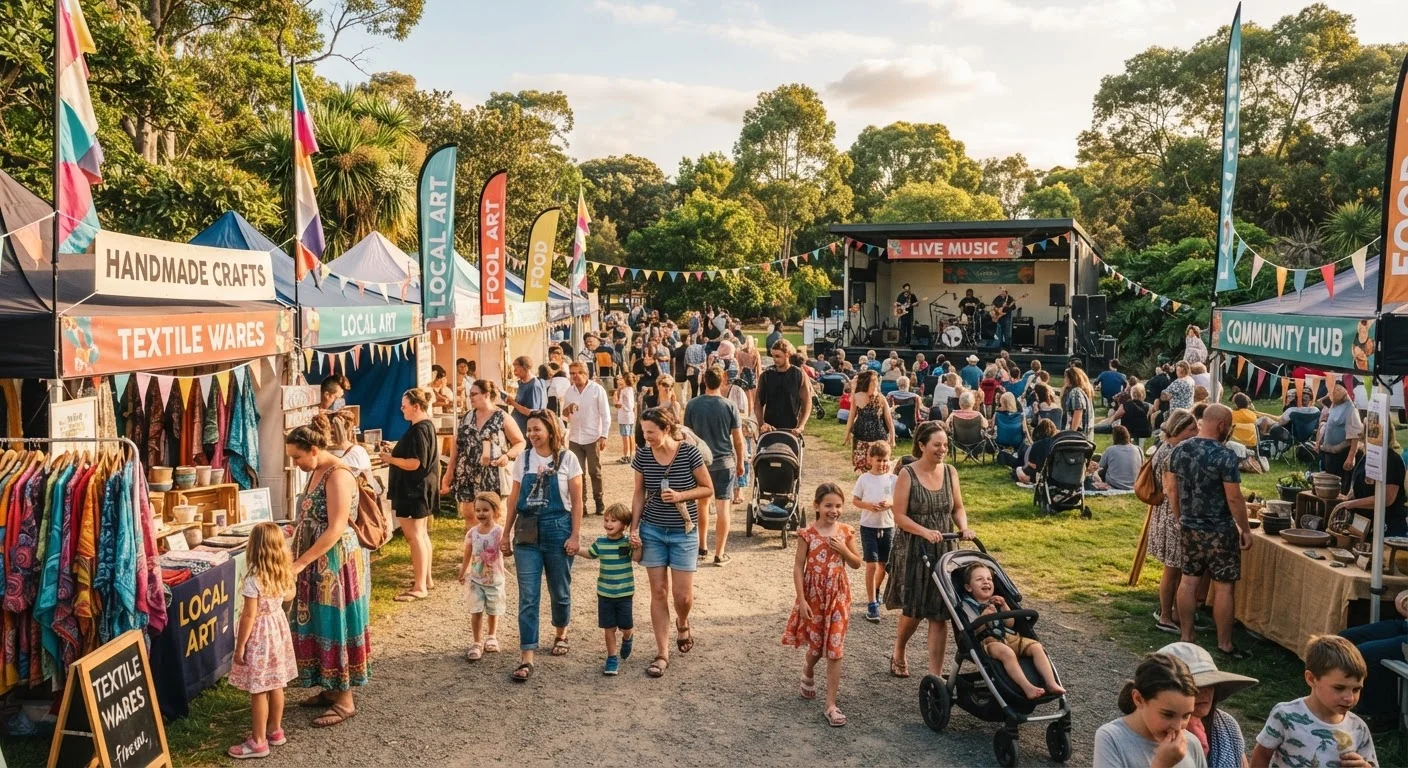
Photo: efficientlifeguide.net editorial
Key Takeaways
- Most cities and towns publish free events through parks departments, libraries, and local government websites.
- A simple monthly calendar check takes under 20 minutes and prevents you from missing recurring events.
- Social media groups, neighborhood apps, and school newsletters are often faster than official sources.
- Signing up for email lists from local venues locks in automatic notice before events fill up.
- Even free events can carry hidden costs, so budget a small buffer for parking and snacks.
Where free local events come from
Free community programming in most American towns comes from a handful of consistent sources: municipal parks and recreation departments, public libraries, nonprofit arts organizations, school districts, and faith communities. Each runs its own calendar, which is why a single Google search rarely surfaces everything available. City and county governments allocate budget specifically for public events, particularly in spring and summer, so the supply is more consistent than many families realize.
Libraries deserve particular attention. Beyond books and databases, most branches run free workshops, film screenings, and seasonal festivals that go largely unadvertised outside their own websites. Public libraries offer far more than most families know, and their events calendars are a reliable starting point every single month.
For ideas on what to do once you have the calendar in hand, screen-free weekend activities kids actually enjoy gives a practical list that pairs well with community event discoveries. And if you want to think through what different types of outings actually cost across the year, seasonal family activities and what each one actually costs walks through real numbers by season.
Building your monthly routine
The practical challenge is not finding free events once; it is building a habit that catches them every month before they pass. The steps below take less than 45 minutes to complete the first time and under 20 minutes on each repeat. The tools you need are a working internet connection, a calendar, and an email address.
What you will need
Search your city's official parks and recreation calendar
Go to your city or county government website and find the Parks and Recreation section. Most departments publish a monthly or seasonal events calendar listing free concerts, outdoor movie nights, youth sports clinics, and holiday festivals. If the site has a filter for free or low-cost events, use it. Bookmark the page so you can return each month without searching again.
Check your public library's separate events page
Your library's event calendar is usually independent of the city parks calendar, so it requires its own check. Look for programs like summer reading kick-off events, author talks, craft workshops, and science demonstrations. Libraries also frequently partner with local museums and cultural organizations to offer free or discounted admission passes. See what your local library actually offers families for a full list of programs most families overlook.
Join neighborhood apps and local social media groups
Apps like Nextdoor and local Facebook Groups surface events that never make it onto official city pages. Small community organizations, school parent groups, and individual neighbors post block parties, free fitness classes in the park, and charity fairs here. Search for groups using your city name plus words like 'families', 'events', or 'what's happening'. You only need to browse these once a week to stay current.
Subscribe to email lists from local venues and nonprofits
Community centers, arts councils, botanical gardens, and local theaters often run free public programming but only announce it through their own mailing lists. Visit the websites of three to five venues in your area and sign up for their newsletters. Create a dedicated folder in your email inbox labeled 'Local Events' so these messages don't get lost. Review the folder every Sunday evening to catch anything coming up that week.
Do a monthly 20-minute calendar sweep
On the first weekend of each month, spend 20 minutes opening each source: the parks calendar, the library page, your neighborhood app, and your events email folder. Note upcoming free events in your family calendar, including the address and any registration deadline. Some free events require advance registration even when they cost nothing, and spots can fill quickly. This single habit prevents the common scenario of discovering a great free festival the day after it happened.
Plan a small buffer for incidental costs
Even a no-admission event rarely costs exactly zero for the whole family. Parking, a bottle of water, or a craft supply at a free workshop can add up. Before each outing, check whether parking on-site is free and plan to bring snacks and drinks from home. Setting a small per-outing cash limit, decided in advance, keeps the day genuinely affordable. For a detailed look at which costs catch families off guard most often, see the hidden costs of free family days out.
Free events can still cost money
Once you have this system running, it connects naturally to broader family budget planning. Finding free outings regularly reduces the pressure on any given weekend to justify expensive entertainment spending. For more strategies across spending categories, the family budget tips hub has practical frameworks for stretching your household dollar further each month.
The content provided on our blog site traverses numerous categories, offering readers valuable and practical information. Readers can use the editorial team’s research and data to gain more insights into their topics of interest. However, they are requested not to treat the articles as conclusive. The website team cannot be held responsible for differences in data or inaccuracies found across other platforms. Please also note that the site might also miss out on various schemes and offers available that the readers may find more beneficial than the ones we cover.