
State Parks vs. National Parks: Which Makes More Sense for a Budget Family Trip

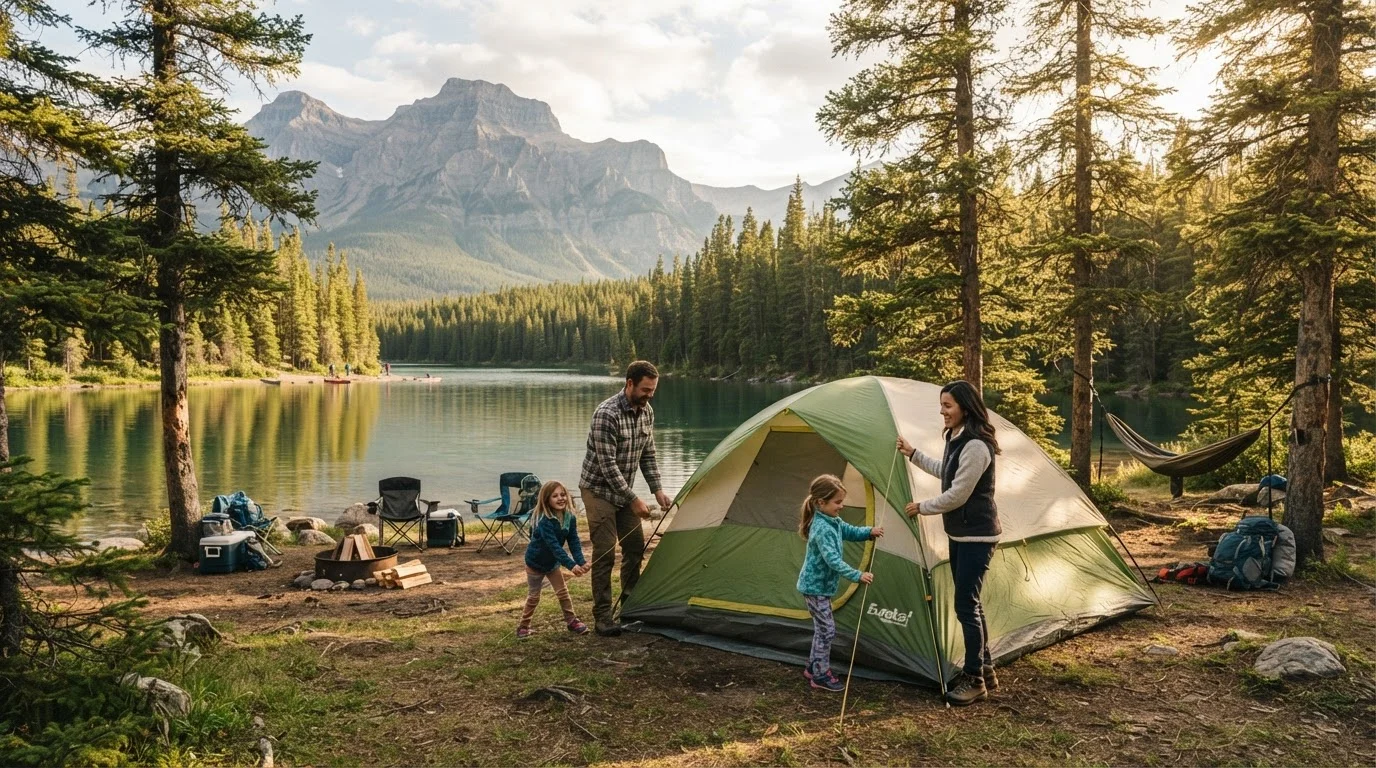
Photo: efficientlifeguide.net editorial
Key Takeaways
- State park entry fees are typically lower than national park fees, often under $10 per vehicle.
- National parks charge up to $35 per vehicle, but the America the Beautiful annual pass can lower per-visit costs for frequent visitors.
- State parks tend to have shorter drives from population centers, reducing total trip cost significantly.
- National parks generally offer more ranger-led programs and formal Junior Ranger activities for children.
- Crowds at popular national parks can affect safety, enjoyment, and campsite availability, especially in summer.
- Both systems offer free entry days throughout the year, which families can plan around.
What you actually pay to get in
Entry fees are the first number families compare, and the gap is real. State parks in most states charge between $5 and $10 per vehicle. Some charge nothing at all. National parks charge up to $35 per vehicle at the most visited sites, though smaller or less-trafficked federal lands are cheaper.
The America the Beautiful pass, available for $80 annually, covers the cardholder and passengers at all federal recreation sites for 12 months. For a family that visits two or more national parks in a year, it almost always saves money. Children under 16 always enter national parks free, which helps larger families stretch that pass further.
State parks sometimes sell their own annual passes, typically priced between $50 and $80 depending on the state. If your family sticks mainly to one state, that pass can be a better value than the federal option. For a full picture of where park fees fit into your overall vacation budget, see our breakdown of family vacation costs.
| Criterion | State Parks | National Parks |
|---|---|---|
| Typical vehicle entry fee | $5-$10 (many free) | Up to $35 |
| Children under 16 | Varies by state | Always free |
| Annual pass cost | $50-$80 (state-specific) | $80 (all federal sites) |
| Average distance from major cities | Closer, often 1-2 hours | Often 4+ hours |
| Typical crowd level | Lower | Higher at top sites |
| Junior Ranger / structured kids programs | Inconsistent by state | Available at nearly all sites |
| Campsite availability | Easier to book | Competitive; book early |
| Family-oriented amenities (hookups, playgrounds) | Common | Limited at many sites |
Distance, crowds, and time on the road
Getting there is a cost families often undercount. State parks sit within the network of every state, so most Americans live within an hour or two of at least one. That proximity turns a park visit into a viable day trip, cutting out hotel costs entirely.
National parks cluster in the West and are rarely close to major metro areas. Driving to Grand Canyon, Yellowstone, or Zion from most of the country means at least one overnight stay each way. Gas, meals, and lodging add up fast before you even reach the gate.
Crowd levels affect more than comfort. Overcrowded national parks have implemented timed-entry reservation systems at several locations, which requires planning weeks or months ahead. State parks generally have shorter reservation windows and more available campsites, especially on weekdays. For tips on whether a day trip or overnight stay makes more financial sense for your situation, see our guide to day trips vs. overnight stays.
Amenities and activities for kids
National parks run the Junior Ranger program at nearly every site. Kids complete age-appropriate activity booklets, then receive a badge from a ranger. Many parks also offer free ranger-led hikes, campfire talks, and wildlife education sessions. These structured activities give children context for what they are seeing and keep them engaged beyond just walking trails.
State parks vary widely. Some have excellent nature centers, guided programs, and junior naturalist activities. Others have minimal programming but make up for it with playgrounds, fishing piers, boat rentals, and swimming beaches, all of which tend to be less crowded and cheaper to access than comparable amenities inside national parks.
Families with younger children often find state parks more practical. Shorter trails, closer parking, and family-oriented campgrounds reduce the logistical load. Families with older, curious kids frequently get more out of the interpretive depth that national parks provide. Our national parks family travel guide covers fee waiver dates and ranger program details worth bookmarking before you go.
Free entry days and seasonal timing
The National Park Service designates several fee-free days each year, typically tied to Martin Luther King Jr. Day, the first day of National Park Week, Juneteenth, the anniversary of the Great American Outdoors Act, and Veterans Day. Visiting on these dates eliminates the entry fee entirely, though campsite fees still apply.
State parks in some states offer free admission on specific holidays or during park anniversary weekends. Checking your state's parks department website before planning any trip is worth the two minutes it takes.
Shoulder seasons (April through May and September through October) offer lower campsite rates, shorter lines, and milder weather at both park types. Summer remains the most expensive and crowded window, especially at national parks. Pairing a park trip with other seasonal activities can stretch your budget further; see what seasonal family activities actually cost for a broader look at timing your outings.
This article is for general informational purposes only. Entry fees, pass prices, and reservation requirements change. Verify current details directly with the relevant park authority before your trip.
The content provided on our blog site traverses numerous categories, offering readers valuable and practical information. Readers can use the editorial team’s research and data to gain more insights into their topics of interest. However, they are requested not to treat the articles as conclusive. The website team cannot be held responsible for differences in data or inaccuracies found across other platforms. Please also note that the site might also miss out on various schemes and offers available that the readers may find more beneficial than the ones we cover.