
The Real Cost of a Family Vacation (And Where the Money Actually Goes)

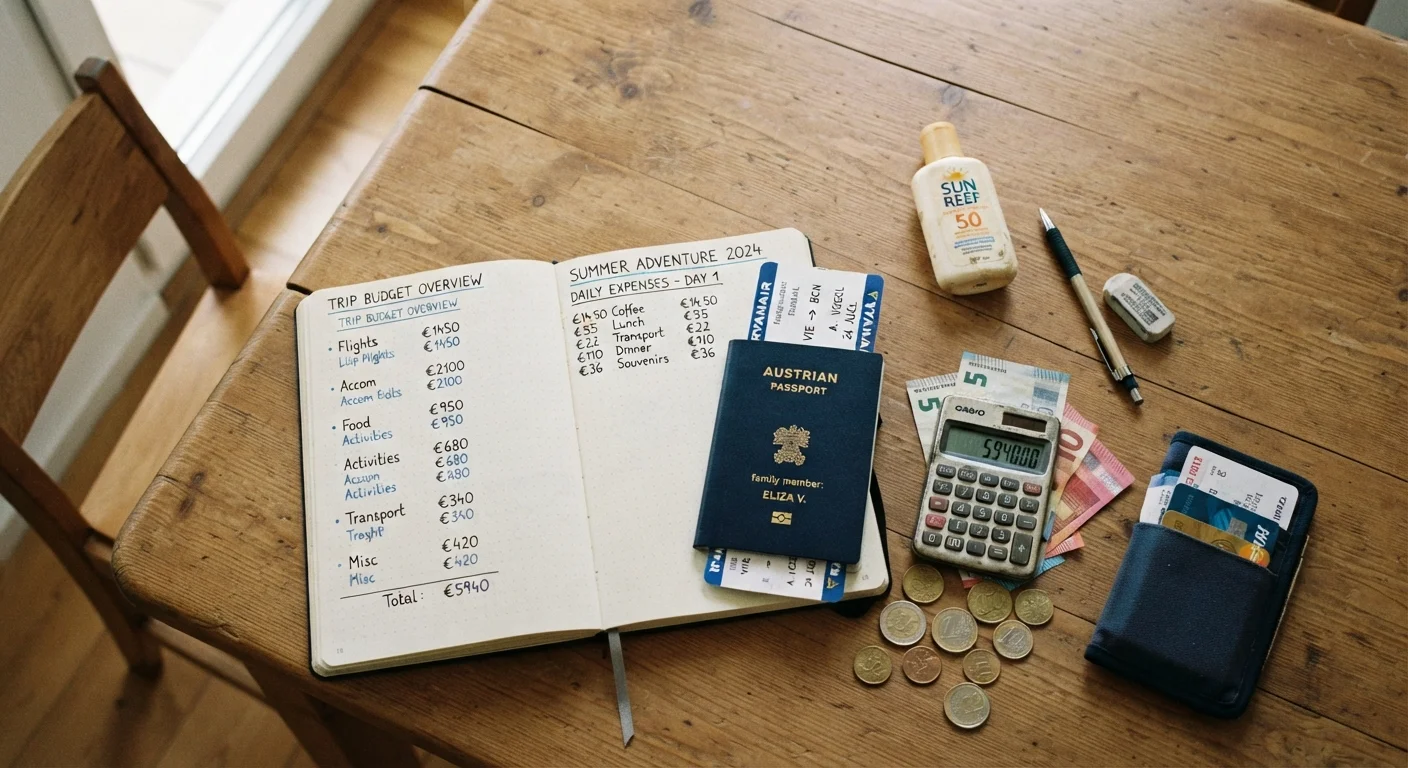
Photo: efficientlifeguide.net editorial
Key Takeaways
- Transportation and lodging together often consume half or more of a family's total vacation budget.
- Food costs for families are frequently underestimated, especially when dining out multiple times daily.
- Activity and admission fees scale directly with the number of children, making them a high-leverage savings target.
- Small recurring costs like parking, baggage fees, and resort fees can add hundreds of dollars to a trip.
- Knowing which categories absorb the most spending helps families decide where to cut without reducing the trip's value.
Why the final number is always higher than the first quote
Most families start budgeting with a flight search or a hotel price. That number feels concrete, so it anchors the whole plan. The problem is that the booking confirmation captures maybe half the real trip cost. The rest accumulates in smaller, less visible decisions made before, during, and after travel.
Understanding which categories hold the most spending is not about being pessimistic. It is about knowing where to focus your planning energy. A family that spends two hours researching admission prices will save more money than one that spends two hours hunting for a marginally cheaper flight, because admissions scale with every person in the group.
Budget unraveling patterns often trace back to this same gap: families plan for the headline costs and get surprised by everything else.
Start your budget with five blank lines
How the budget actually breaks down
While exact proportions shift by destination and family size, most family vacations distribute spending across five core categories.
Transportation
This is usually the single largest line item. For flying families, it includes airfare, checked baggage fees, seat selection fees (which airlines charge separately on many fare classes), and ground transportation at the destination. For road trips, fuel, tolls, and potential vehicle wear factor in. A common mistake is pricing the base airfare but not accounting for the seat and bag fees layered on top, which can add $50 to $150 or more per person on a round trip.
Lodging
The nightly rate is only part of the story. Hotels often add resort fees, parking fees, and taxes that can push the real nightly cost 20 to 30 percent above the listed price. Vacation rentals typically show a cleaning fee and service fee at checkout. Choosing between hotels and vacation rentals involves weighing these total costs, not just the base rate.
Food
Three meals a day for a family of four at sit-down restaurants adds up fast. Many families underestimate this category because they mentally price only dinners and forget breakfasts, lunches, snacks, and the constant small purchases that come with traveling kids. Lodging with a kitchen or kitchenette can cut food costs significantly by allowing breakfasts and some lunches to be prepared in-room.
Activities and admissions
Theme parks, aquariums, museums, and tours price per person. A $30 admission becomes $120 for a family of four. This category is where destination choice has the most leverage: some destinations have far more free or low-cost activity options than others.
Incidentals and miscellaneous
This catch-all includes souvenirs, sunscreen purchased at a tourist markup, airport parking, tips, and any medical or convenience items needed on the road. Individually small, collectively significant. Families who budget $0 for this category routinely spend $100 to $300 or more.
50%+
Share of trip budget often consumed by transportation and lodging
Budget planning frameworks from consumer finance educators generally position these two categories as the dominant cost drivers for most family trips.
$100-$300
Typical unbudgeted incidental spending per family trip
Travel planning guides frequently note that families who set no incidentals budget routinely spend this range on souvenirs, convenience purchases, and small fees.
20-30%
How much hotel fees and taxes can add above the listed nightly rate
Resort fees, destination fees, taxes, and parking charges commonly push actual lodging costs well above the advertised base rate at many US hotel properties.
Where savings opportunities are largest
Once the five categories are visible, the savings logic becomes straightforward: target the category that is both large and flexible for your trip type.
Transportation costs are often partially fixed once you choose a destination, but booking timing and flexibility around travel dates can reduce them. Food costs are highly controllable with simple planning: packing snacks for travel days, eating one meal in-room, and researching whether the destination has grocery stores accessible to visitors. Activity costs respond well to advance research, since many destinations offer city passes, library museum cards, or free admission days that are easy to miss if you only look at the box office price.
Common myths about family travel costs can distort where families think savings are possible. Many parents assume airfare is the only lever worth pulling, when food and activities often offer more room to move.
The pre-departure planning checklist approach works because it forces each category into view before money is spent, not after the trip when totaling receipts. Identifying one concrete action in each of the five categories before booking gives families a clearer picture of what a trip will genuinely cost.
For a closer look at where day trips can replace overnight stays to reduce lodging and food costs, see day trips vs. overnight stays.
Frequently Asked Questions
The content provided on our blog site traverses numerous categories, offering readers valuable and practical information. Readers can use the editorial team’s research and data to gain more insights into their topics of interest. However, they are requested not to treat the articles as conclusive. The website team cannot be held responsible for differences in data or inaccuracies found across other platforms. Please also note that the site might also miss out on various schemes and offers available that the readers may find more beneficial than the ones we cover.