
Why Your Utility Bill Keeps Climbing and What You Can Do About It

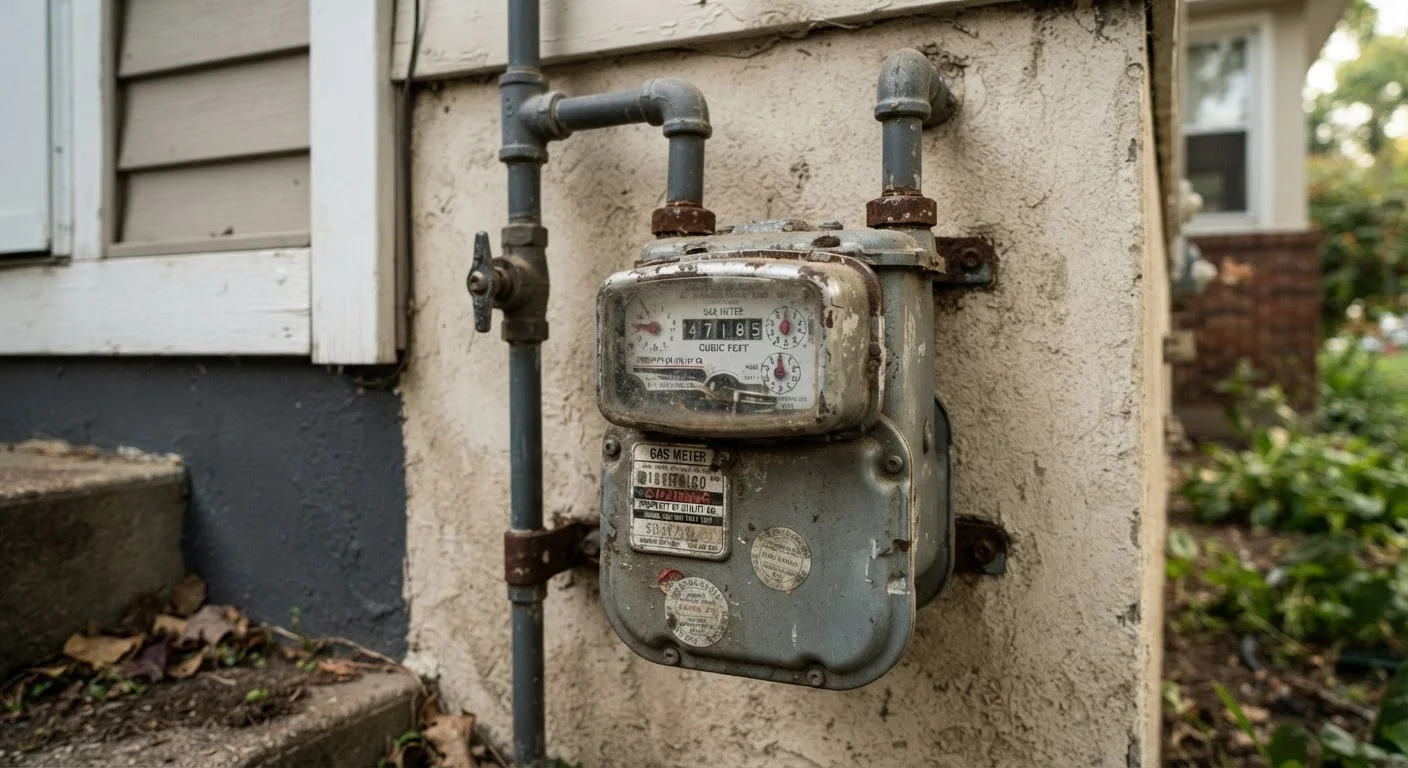
Photo: efficientlifeguide.net editorial
Key Takeaways
- Phantom loads from devices left plugged in can account for a measurable share of your monthly bill.
- Older appliances often consume significantly more energy than current models rated for efficiency.
- Air sealing gaps around doors and windows is one of the highest-return low-cost fixes available.
- Your water heater temperature setting may be costing you money every day without any benefit.
- Most utility companies offer free home energy audits that identify your biggest waste points.
Why utility costs keep rising even when your habits seem the same
Most households notice their utility bills creep upward over time, but the reasons are rarely obvious. Rate increases from your provider are one factor, but they rarely tell the whole story. The bigger share of the problem often sits inside your home, in habits and equipment that draw more power than you realize.
Appliances age and become less efficient. Gaps in insulation and weatherstripping widen. Devices multiply. Any one of these alone might add only a few dollars a month, but together they push bills noticeably higher. The room-by-room breakdown of household costs shows how quickly those line items accumulate across different areas of the home.
Understanding which errors are costing you the most is the first step toward meaningful savings. The mistakes below are among the most common found in American households, and most can be fixed without professional help or significant expense.
Common mistakes driving up your bill
These errors show up across household types and income levels. Some are habits formed years ago; others are simply things that never came up. Each one has a concrete fix.
Ignoring phantom loads from electronics and appliances left in standby mode.
Running an old refrigerator or second chest freezer in the garage year-round.
Setting the water heater thermostat higher than necessary, often at 140 degrees Fahrenheit or above.
Overlooking air leaks around windows, doors, and electrical outlets on exterior walls.
Washing laundry primarily in hot water out of habit rather than necessity.
Never requesting a utility company energy audit or reviewing available rebate programs.
Utility costs are part of a broader picture of household spending. If you are reviewing your budget across multiple categories, the family budget tips hub has resources on managing recurring expenses as a whole.
How to prioritize the fixes that matter most
Check your bill for rate tier changes
Not every fix delivers the same return. Air sealing and water heater adjustments tend to have the fastest payback because they reduce waste continuously, every hour of every day. Phantom load reduction adds up more slowly but costs nothing to implement. Appliance decisions carry the highest upfront consideration but often have the longest-term impact.
A free utility energy audit can take the guesswork out of prioritization. A technician will assess your specific home and identify which changes will move your bill the most. If your utility does not offer this, your state energy office may have a similar program.
It is also worth separating genuinely effective habits from those that sound plausible but do not save much. The article on frugal living myths that actually cost more covers several common examples worth reading before you invest time in changes that may not pay off.
This article provides general home energy information for educational purposes. For personalized advice about your home's systems or significant efficiency upgrades, consult a licensed contractor or certified home energy auditor.
The content provided on our blog site traverses numerous categories, offering readers valuable and practical information. Readers can use the editorial team’s research and data to gain more insights into their topics of interest. However, they are requested not to treat the articles as conclusive. The website team cannot be held responsible for differences in data or inaccuracies found across other platforms. Please also note that the site might also miss out on various schemes and offers available that the readers may find more beneficial than the ones we cover.